Reflection #2
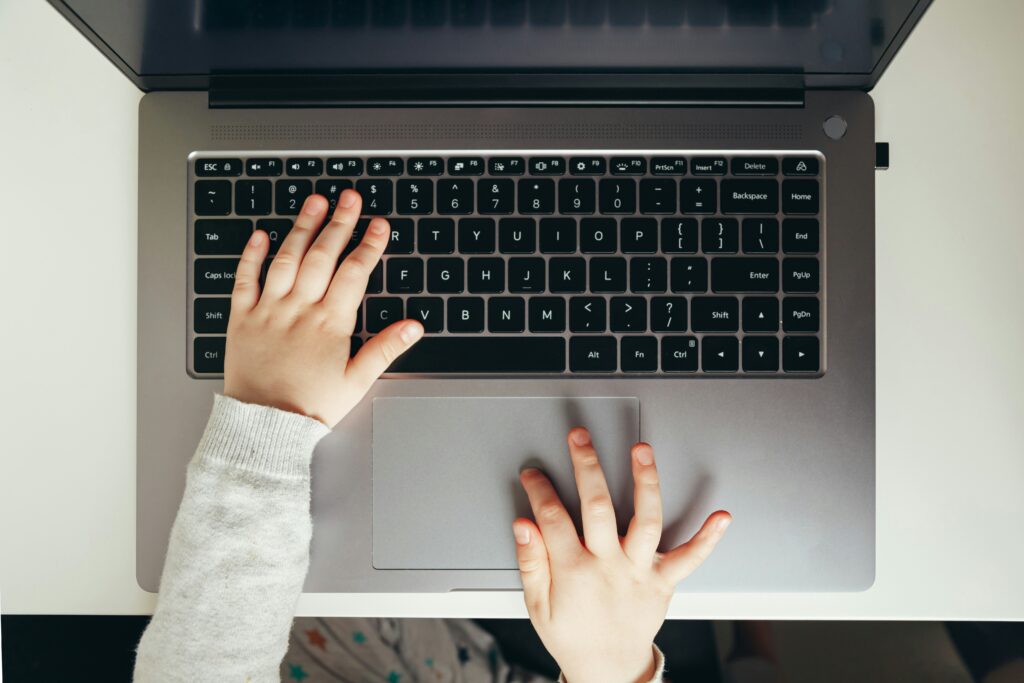
This morning, we discussed the SAMR technological integration model. SAMR stands for Substitution, Augmentation, Modification, and Redefinition. In our pod groups, we discussed examples of each in a classroom. Our group focused on elementary or middle school students and how SAMR can be used to integrate technology into their education in different ways.
Our group discussed that substitution could include allowing students to type their assignments rather than writing them; this substitutes typing for writing, offers no functional change, but may be easier for some students. Another example of substitution would be listening to an audiobook or reading an ebook on a tablet rather than reading a traditional paper book. Again, it is functionally the same, but technology gives us different avenues for reading; perhaps in an environment where some students benefit more from audio, or like ebooks so they can enlarge the text, substitution can help us incorporate UDL into our classrooms.
An example of augmentation we discussed was using text-to-speech to write; although it substitutes for writing with a pencil and paper, it can also create functional improvements for students who struggle with spelling or writing. I noticed that I struggle a little bit to find the line between substitution and augmentation, especially as it applies to inclusion or differentiation. I think the line between the two can blur, as it can with many levels of SAMR. However, I think this is inherent to technology integration; it can become a domino effect, where one incorporation leads to more, which leads to more improvements and functional changes in class.
The “no tech” phase has its place, as sometimes we want students to use paper and pencils and read traditional books; in math, especially at a young age, we want students to learn mental math before we allow calculators.
Free Inquiry #1
When I was a kid, I wanted to be a food reviewer when I grew up, similar to the likes of Guy Fieri on “Diner’s, Drive-ins, and Dives”. I spent a lot of time watching Food Network with my mom, and I’ve always loved eating and cooking. My Nonna immigrated to Canada from Italy when she was a child, and being Italian has greatly shaped my relationship with food. Food is sacred; it brings people together and creates joy and connection. And food is delicious!
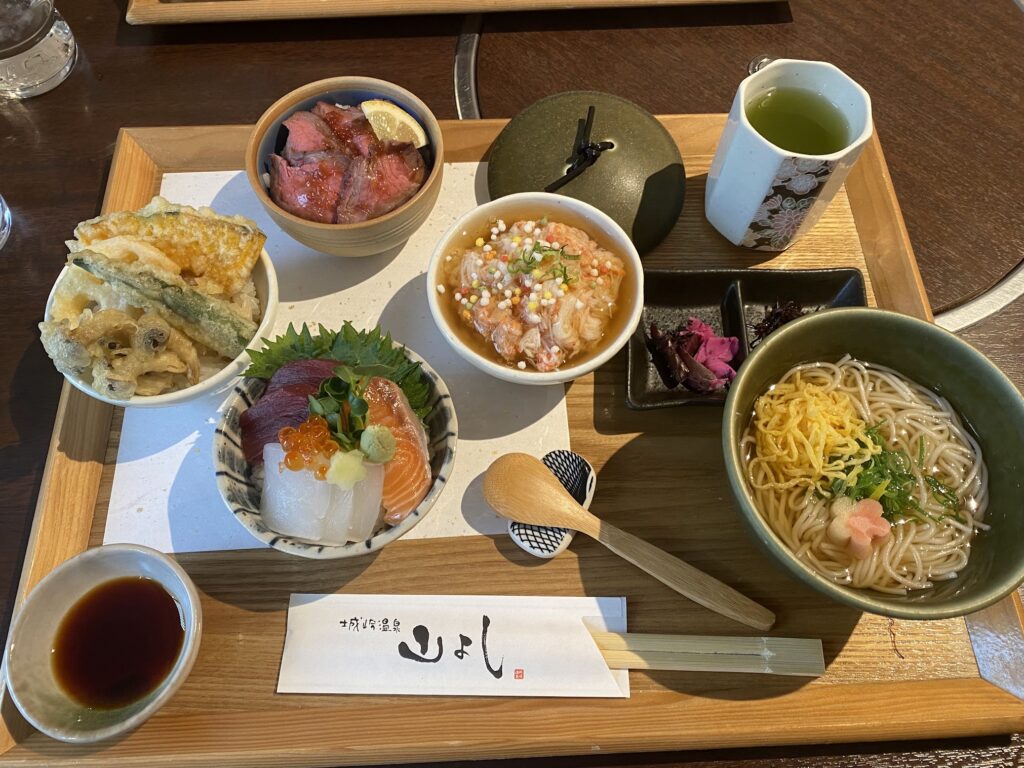
In 2025, I backpacked through East Asia with my fiancé, Noah. We ate so much food throughout our trip; I felt like I was in food heaven. We ate our way through Thailand, Vietnam, Cambodia, Hong Kong, Japan, and South Korea! So I decided to create a food blog (https://just8this.wordpress.com/) to rate and post pictures of our delicious, unique meals throughout our travels. I realized it was much harder than I thought to rate food, and at that point I wasn’t even writing reviews; I was only rating the food out of 10.
For my free inquiry project, I want to build on that blog and meet my childhood goal of becoming a food reviewer by learning how to review food and practicing food reviews for meals I cook or don’t cook. I’ll need to create metrics for reviewing food and learn more critical, analytical ways to taste. I can’t wait to embark on this delicious journey, so follow along!
Class Reflection #1
In this class we discussed the benefits and problems of using inquiry based or project based learning (PBL). Benefits included the freedom to work on student individual interest and passion, which can create buy in and increase in motivation to learn. Moreover, PBL creates more space for creativity and critical thinking in the classroom, and helps students develop soft skills and social skills that may not be developed as greatly in a traditional school setting. However, many concerns with this model arise, such as how do students transition to traditional structures such as standardized testing, and does PBL set students up for success in the long run. My fiance attended PSII, an alternative high school here in Victoria, and he later switched schools to public school because the style of alternative education did not work for him; it required a lot of self motivation, and he wanted more structure. For this reason, I think sometimes students aren’t the right fit for alternative schools like High-Tech High or PSII, but I still believe PBL can be integrated in a hybrid fashion.
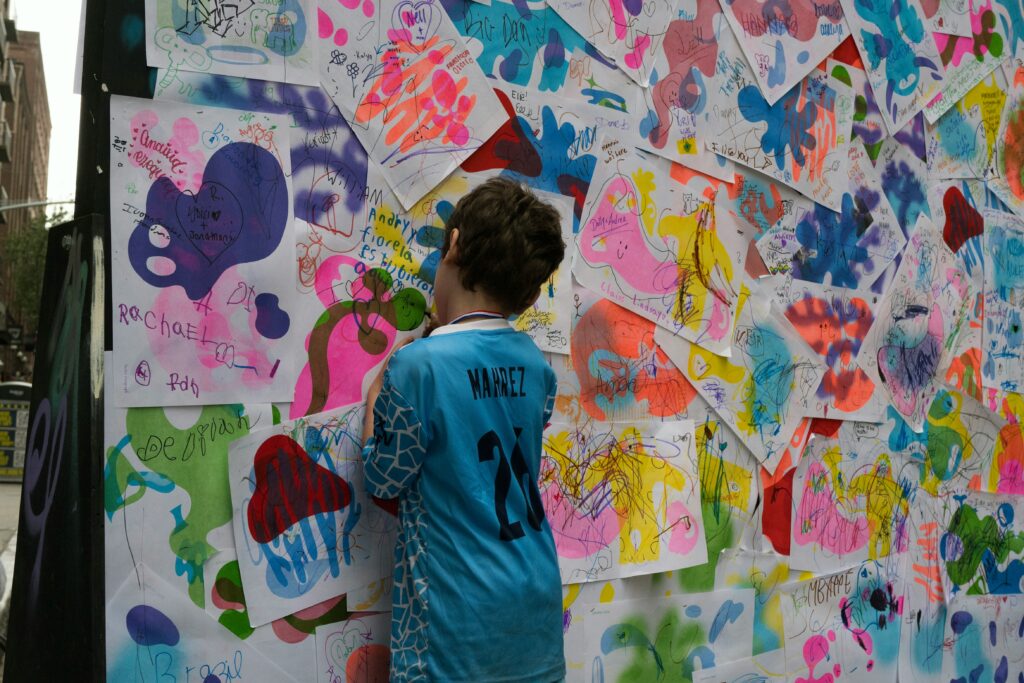
I am a huge believer in PBL, and many of my most memorable moments in grade school were PBL based. I always love incorporating art into my learning, and something I love about PBL is that students are given the freedom to use whatever medium they wish to communicate their learning. I believe PBL can be assessed in a more traditional way or using the proficiency scale. I love that PBL can be interdisciplinary, and I remember doing projects for all different subjects including literacy, math, socials and science.
I hope to integrate PBL into everyday teaching and curriculum in more traditional settings, as I’ve seen first hand that it is possible!
About Me
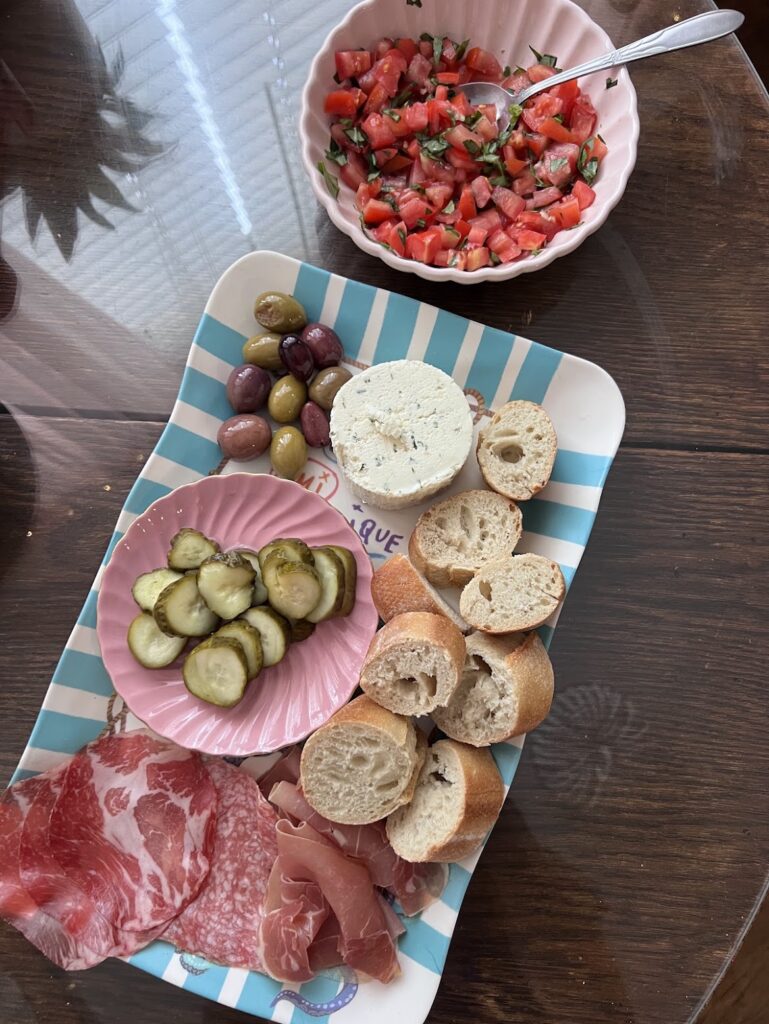
Hi! My name is Marina and this is my blog. My free inquiry project is focused on strengthening my cooking and tasting skills. Over the next six weeks, I will be learning how to review my meals (restaurant and homemade), as I want to learn how to review food in a critical way.